Overzicht
Maak kennis met uw gastheer
Routebeschrijving
Tour Salineras de Maras and Moray in Private with Peru Vip
5 (0)
Tour Salineras de Maras and Moray in Private with Peru Vip
5 (0)
Activiteitsduur (5 hours)
Extreme
Gehost in English
Volledige terugbetaling bij annulering tot 24 uur vóór aanvang van de ervaring
Reserveer nu en betaal later. Verzeker uw plek terwijl u flexibel blijft.
Wat je gaat doen
Explore the Salineras de Maras and Moray in a private tour with Peru Vip.
Hoogtepunt van de tour
We work with the best schedules to ensure a quiet and unique experience at Las Salineras de Maras and Moray.
We provide private services to give you more time to visit and enjoy your experience.
Our guides are accredited professionals with specialized knowledge of Nature and Culture for this route.
Our private transports are modern, comfortable, and certified to ensure a pleasant trip.
Wat is inbegrepen?
- Not wheelchair accessible
Wat is niet inbegrepen?
- Confirmation will be received at time of booking
- Most travelers can participate
- This experience requires good weather. If it’s canceled due to poor weather, you’ll be offered a different date or a full refund
- This is a private tour/activity. Only your group will participate
Maak kennis met uw gastheer

HanaTour Eco Travel
Geverifieerde gastheer
Gastheer sinds 2022
Routebeschrijving
Er is geen maaltijd inbegrepen op deze dag.
Er is geen accommodatie inbegrepen op deze dag.
Hier is het startpunt
Moray
1
Moray
Stop: 60 minutes
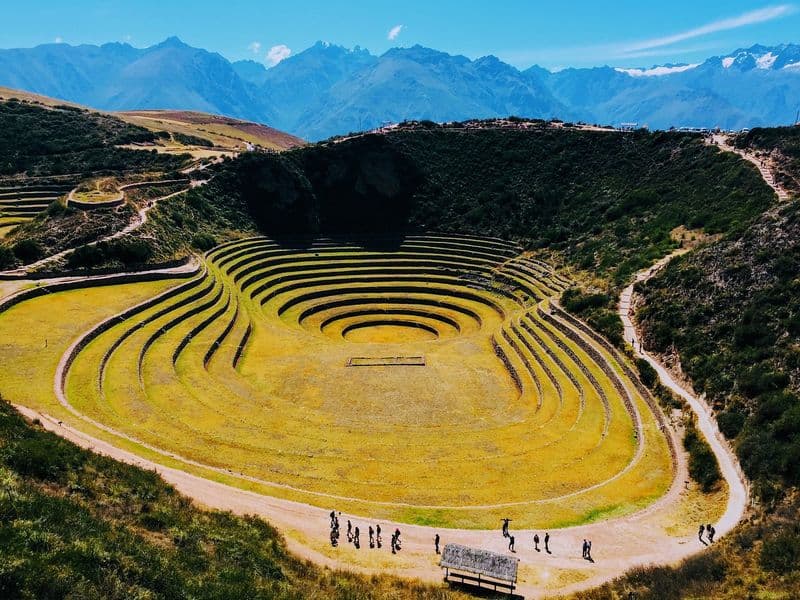
Moray was possibly an Inca agricultural research center where crop experiments were carried out at different heights, the layout of its platforms produces a gradient of microclimates with the center of concentric circular platforms having a higher temperature and gradually decreasing towards the outside. lower temperatures, thus being able to simulate up to 20 different types of microclimates. It is believed that Moray could have served as a model for the calculation of agricultural production not only of the Urubamba Valley but also of different parts of the Tahuantinsuyo or territory of the Incas.
2
Salinas de Maras
Stop: 60 minutes
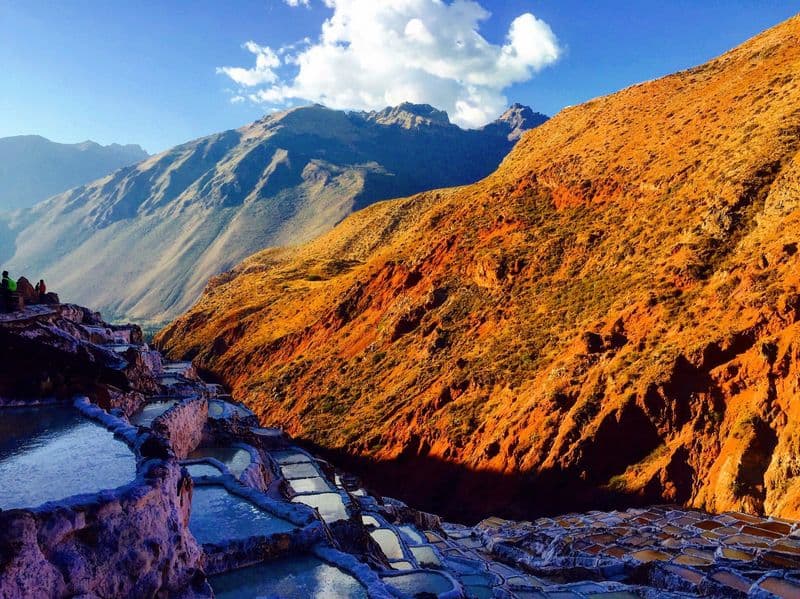
Salt ponds embedded in salt in Maras resemble a layer of snow that covers the slope of Qoripujio mountain in the distance. It is a spectacular sight. Each of the more than 3000 pools have different shades of white or brown. The salt of Maras has been collected since pre-Inca times and travelers are invited to see this centennial tradition in operation.
During the 12th century and the middle of the 14th century, the Inca Empire took over the operation of Maras. The Incas seasoned and preserved their food with salt. They may also have used the ore for mummification and other religious ceremonies. Ownership and management of the individual salt mines were given to families living in the nearby community of Maras. The same salt extraction process used by these families during Inca times has been transmitted from generation to generation and is still practiced today.
Hiermee wordt de tour afgesloten.
Vanaf hier kunt u de omgeving in uw eigen tempo verkennen.
Epische avonturen over de hele wereld
Populaire ervaringen