概述
认识你的主人
行程
Superior Bike Tour incl. 3rd Reich Sites & a beer Garden Stop
5 (0)
Superior Bike Tour incl. 3rd Reich Sites & a beer Garden Stop
5 (0)
活动时间 (5 hours)
Moderate
主办于 English
如果取消则不予退款
现在预订,稍后付款,确保您的位置,同时保持灵活性。
你会做什么
Experience the best bike tour, which includes visits to significant sites related to the 3rd Reich, as well as a stop at a charming beer garden.
游览亮点
Explore Munich's rich history on a captivating bike tour through the city. Led by a knowledgeable guide, pedal along bike-friendly paths and gain insight into pivotal, and sometimes dark, moments in the city's history, including life under the Third Reich. Cover a distance of approximately 7 miles (10 km) as you ride through the sprawling English Garden, stop for lunch at the Chinese Tower Beer Garden (own expense), and see river surfers ride the waves on the Eisbach River.
包括什么?
- Professional guide
- Use of a bike and helmet
不包括什么?
- Gratuities
- Food and drinks, unless specified
- Hotel pickup and dropoff
附加信息
- Confirmation will be received at time of booking
- Most travelers can participate
- Please wear comfortable clothes and shoes together with rain gear
- Sunscreen is recommended in summer
- This tour/activity will have a maximum of 14 travelers
认识你的主人

Wego Tour Guiding Club
已验证主机
主持以来 2021
行程
这一天不含餐。
这一天不含住宿。
这是起点
Munich Marienplatz
1
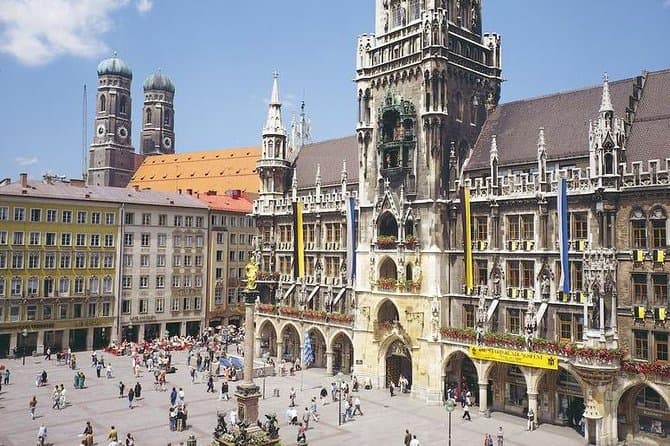
Munich Marienplatz
停止: 15 minutes

We start our tour at our meeting point so we can give you a broad overview of the square as cycling is not allowed here. We then walk to our bikes to start your tour. Read moreMore about Munich Marienplatz
2
Odeonsplatz
停止: 15 minutes

Odeonsplatz is a historically rich square in Munich with a compelling story:
Royal Construction: It was developed in the early 19th century under King Maximilian I Joseph, designed to create a grand space near the Residenz (royal palace).
Architectural Highlights: The square is dominated by the Theatinerkirche (a beautiful Baroque church) and the Feldherrnhalle (a loggia inspired by the Florentine Loggia dei Lanzi).
Historical Significance: It has been the site of numerous historical events, including political rallies and demonstrations.
Nazi Putsch: In 1923, the failed Beer Hall Putsch, led by Adolf Hitler, resulted in a shootout at the Feldherrnhalle, leaving lasting marks on the square's history.
Modern Use: Today, Odeonsplatz is a popular public space, used for events and enjoyed by locals and tourists alike, its architectural beauty and historical weight making it a key Munich landmark.Read moreMore about Odeonsplatz
3
Max-Joseph-Platz
停止: 10 minutes

Max-Joseph-Platz in Munich is a grand and architecturally significant square, steeped in history and culture.
Named after King Maximilian I Joseph of Bavaria, it was designed to be a prominent space near the Residenz (royal palace).
The square is framed by impressive buildings, including:
The Residenz: The former royal palace, a sprawling complex showcasing centuries of Bavarian history and opulence.
The National Theatre (Bayerische Staatsoper): Home to the Bavarian State Opera, a world-renowned opera house.
Cultural Hub: Due to the presence of the National Theatre, Max-Joseph-Platz is a focal point for Munich's cultural life, particularly its opera and performing arts scene.
Open Space: The square provides a large, open space in the heart of the city, often used for events and gatherings.
Historical Significance: It represents a key element of Munich's royal and cultural heritage.
Read moreMore about Max-Joseph-Platz
4
Königsplatz
停止: 20 minutes
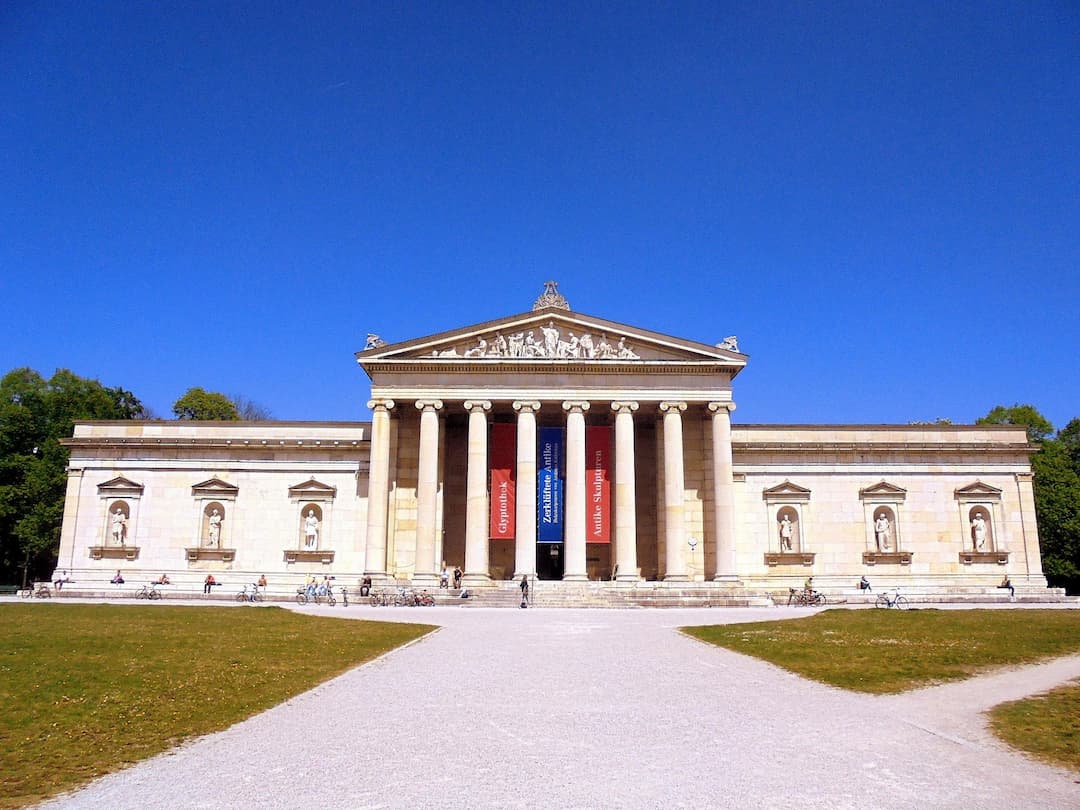
Königsplatz in Munich is a historically significant square with a complex past:
Royal Origins: It was commissioned by King Ludwig I of Bavaria in the 19th century as a grand architectural space intended to showcase classical Greek architecture.
Artistic Hub: The square became a center for art and culture, with buildings like the Glyptothek (sculpture museum) and the Staatliche Antikensammlungen (State Collection of Antiquities) being erected.
Nazi Era: During the Nazi regime, Königsplatz was used for Nazi rallies & propaganda events, significantly altering its historical context. The Brown House, the Nazi Party HQ, was located nearby.
Post-War Transformation: After World War II, efforts were made to reclaim the square's original purpose as a cultural space, though the historical scars remain.
Modern Day: Today, Königsplatz is a public space where people can admire the classical architecture. It serves as a reminder of both Munich's royal past and its darker period during the Nazi era.Read moreMore about Königsplatz
5
Schwabing
停止: 15 minutes

Schwabing, a district in Munich, has a rich and bohemian history:
Village Origins: Originally an independent village, Schwabing was incorporated into Munich in the late 19th century.
Artistic Hub: It quickly became a center for artists, writers, and intellectuals, attracting figures like Wassily Kandinsky, Paul Klee, and Thomas Mann.
Bohemian Lifestyle: Schwabing developed a reputation for its free-spirited and unconventional atmosphere, a place where artists and intellectuals could express themselves freely.
"Schwabing Boom": In the early 20th century, it experienced a cultural boom, becoming a vibrant center for avant-garde art and literature.
Post-War Era: After World War II, Schwabing retained its bohemian character, becoming a center for student life and counterculture movements.
Today, Schwabing is a popular and trendy district, known for its lively nightlife, cafes, restaurants, and shops. It still retains some of its artistic flair, though it's become more gentrified.Read moreMore about Schwabing
6
English Garden
停止: 60 minutes
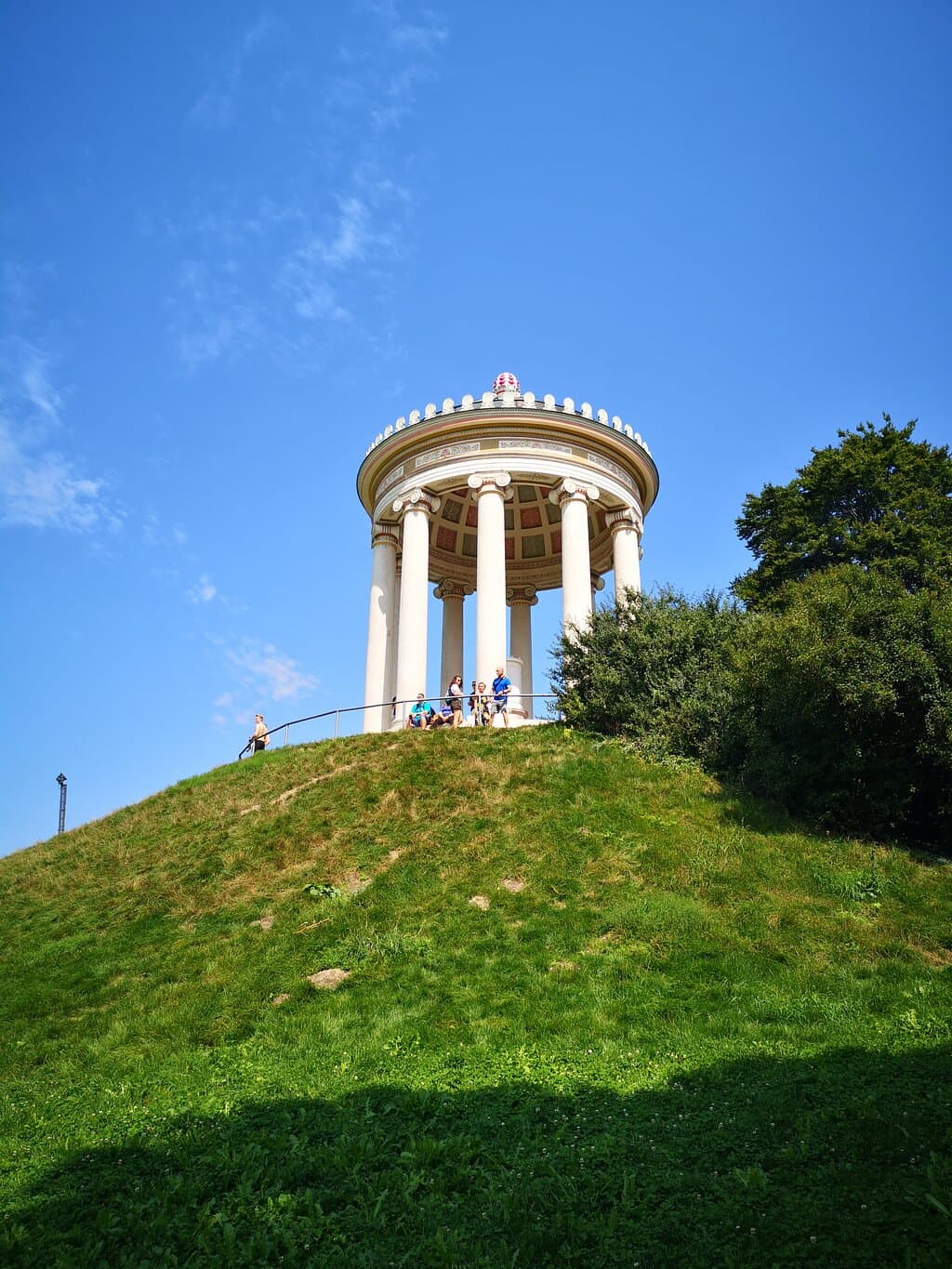
The Englischer Garten (English Garden) in Munich is one of the world's largest urban public parks, and a true gem of the city.
Vast Green Space: It's larger than New York City's Central Park, offering a massive area for recreation and relaxation.
English Landscape Style: Despite its German name, it was designed in the English landscape garden style.
Diverse Attractions:
The Chinese Tower: A distinctive pagoda-like structure and beer garden.
The Eisbach Wave: A popular spot for surfers, a unique urban phenomenon.
The Monopteros: A Greek-style temple offering panoramic views.
Numerous beer gardens, walking and biking paths, and open meadows.
Recreational Activities: It's a popular destination for jogging, cycling, picnicking, sunbathing, and simply enjoying nature.
The Englischer Garten is a central gathering place for locals and tourists alike, a place to escape the hustle and bustle of the city.
Read moreMore about English Garden
7
Haus der Kunst
停止: 5 minutes

The Haus der Kunst has a very specific and loaded history:
Nazi Origins: It was commissioned by Adolf Hitler and opened in 1937 as the "House of German Art," intended to showcase art deemed "acceptable" by the Nazi regime, while denouncing "degenerate art."
Wartime Use: During World War II, it was used for various purposes, including storage and as an officers' club.
Post-War Transformation: After the war, it was repurposed to become a museum for international contemporary art, playing a vital role in Munich's cultural revival.
Contemporary Focus: Today, it's a leading museum for contemporary art, hosting major exhibitions and engaging in critical dialogue about art and its role in society, while also grappling with its complex past.Read moreMore about Haus der Kunst
8
Feldherrnhalle
停止: 15 minutes

The Feldherrnhalle (Field Marshals' Hall) in Munich has a history marked by both military grandeur and Nazi infamy:
Royal Origins: It was commissioned by King Ludwig I of Bavaria in the 19th century as a monument to the Bavarian army.
Military Symbol: It served as a symbol of Bavarian military prowess and was used for ceremonies and commemorations.
Nazi Putsch Site: In 1923, it became the site of the failed Beer Hall Putsch, led by Adolf Hitler. A confrontation between Nazi supporters and Bavarian police resulted in fatalities.
Nazi Shrine: After the Nazis seized power, the Feldherrnhalle was turned into a shrine to the "martyrs" of the putsch. SS guards were stationed there, and locals were required to give a Nazi salute.
Post-War: After World War II, the Nazi symbols were removed, and it was returned to its original function as a historical monument.
Today, it stands as a reminder of Munich's complex past, a place where both royal history and the dark era of Nazism intersect.Read moreMore about Feldherrnhalle
9
Mike's Bike Tours
停止: 5 minutes

We end our tour here in case you need to make plans. Read moreMore about Mike's Bike Tours
游览到此结束。
从这里您可以按照自己的节奏自由探索。
环球史诗冒险
热门体验