Przegląd
Poznaj swojego gospodarza
Trasa
3 Day Summer Golden Circle, South Coast with Glacier Lagoon
0 (0)
3 Day Summer Golden Circle, South Coast with Glacier Lagoon
0 (0)
Czas trwania działania (3 days)
Moderate
Gościł w English
Pełny zwrot pieniędzy w przypadku anulowania rezerwacji do 24 godzin przed rozpoczęciem atrakcji
Zarezerwuj teraz i zapłać później. Zabezpiecz swoje miejsce, zachowując elastyczność.
Co zrobisz
3-Day Summer Tour: Golden Circle, South Coast, and Glacier Lagoon
Najważniejsza część wycieczki
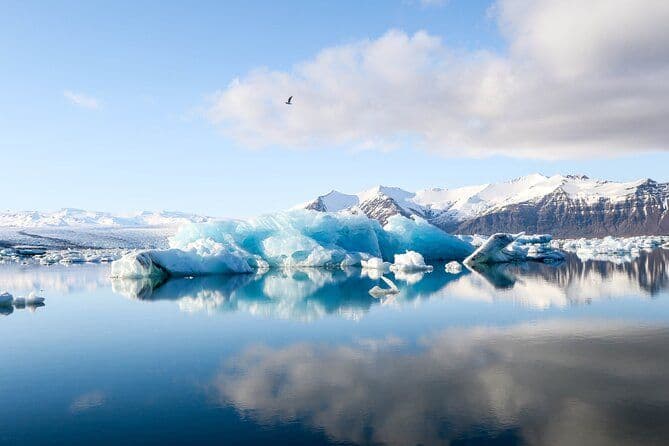
Explore Iceland's breathtaking natural wonders without the expense of car hire, and with a guide to keep you informed. This 3-day excursion includes an amphibious boat tour of the Glacier Lagoon, two nights' accommodation, and onboard Wi-Fi. Visit the Golden Circle, including Thingvellir National Park and Gullfoss, and then explore the south coast, with its mesmerizing waterfalls, striking canyon, and sparkling Diamond Beach.
Co jest wliczone w cenę?
- Not wheelchair accessible
Czego nie obejmuje?
- Confirmation will be received at time of booking
- Not recommended for travelers with back problems
- No heart problems or other serious medical conditions
- Not recommended for pregnant travelers
- Most travelers can participate
- Traveler can purchase, Foods and Drinks at the venue
- This experience requires good weather. If it’s canceled due to poor weather, you’ll be offered a different date or a full refund
- This experience requires a minimum number of travelers. If it’s canceled because the minimum isn’t met, you’ll be offered a different date/experience or a full refund
- This tour/activity will have a maximum of 19 travelers
Poznaj swojego gospodarza

Batobus Adventure
Zweryfikowany gospodarz
Gospodarz od 2019
Trasa
Łącznie 13 przystanków
W tym dniu posiłek nie jest wliczony w cenę.
Accommodation included:, Overnight in Reykjavík or near the Golden Circle Area
Oto punkt wyjścia
Pingvellir National Park
1
Pingvellir National Park
Zatrzymywać się: 40 minutes
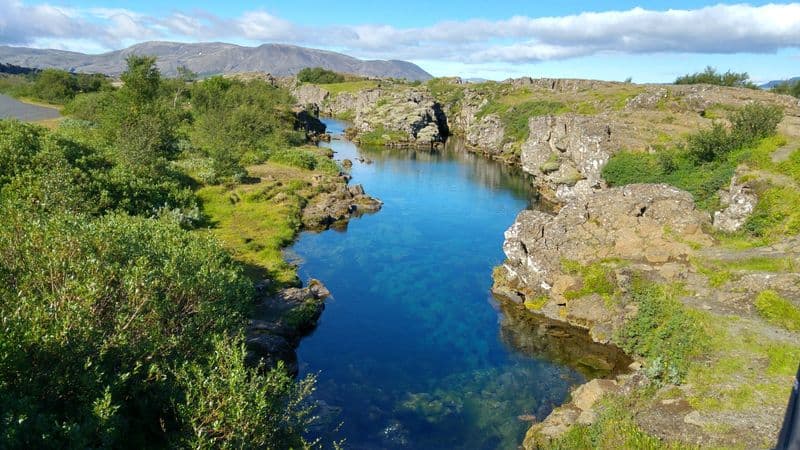
The first stop of the day is Þingvellir National Park, where you will have a chance to see Thingvellir lake, the second biggest in Iceland, and walk in a rift where North American and Euro-Asian tectonic plates meet.
It is also known as the site of Althing, the first parliament in the world that was established year 930 AD. That’s actually where the name of the park Þingvellir (e. Fields of the Parliament) originates from. If you are not in any rush our guide will walk with you over to the Öxarárfoss Waterfall which falls into the rift and merges with Thingvellir lake.
2
Geysir
Zatrzymywać się: 30 minutes
We continue with of journey to Gullfoss waterfall, the second-largest waterfall in Iceland. It is only a 5-minute walk from the parking lot to the viewpoint of the waterfall.
3
Kerid Crater
Zatrzymywać się: 20 minutes
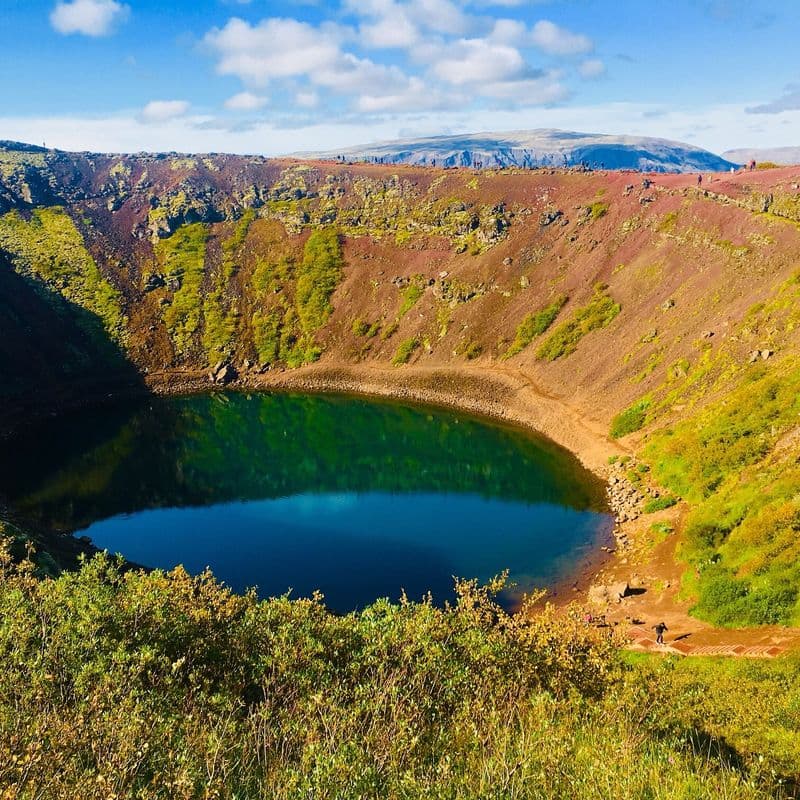
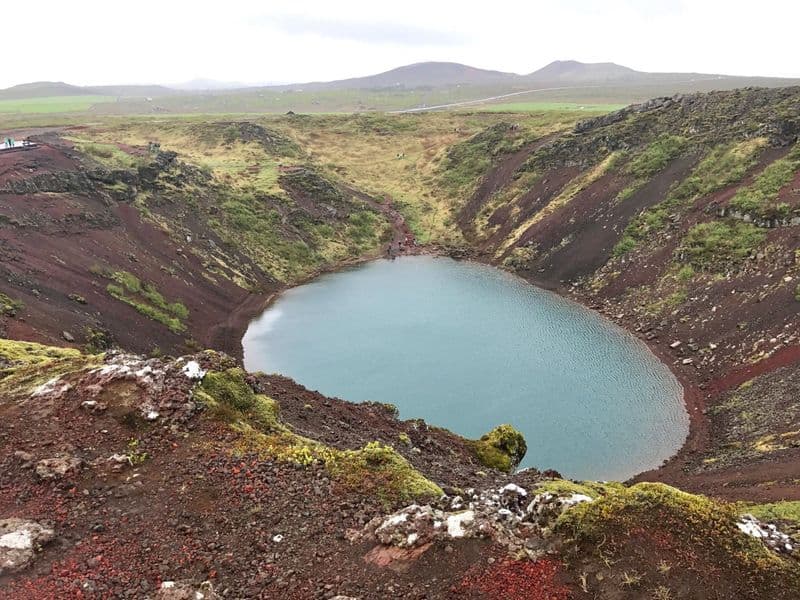
Kerid is a volcanic crater lake located in southern Iceland, near the town of Selfoss. It is part of the volcanic zone of Iceland's southwestern region and is believed to have been formed around 3000 years ago during a volcanic eruption. The crater is approximately 270 meters wide and 55 meters deep, with a lake at the bottom that is a striking blue-green color. The red and orange colors of the crater's walls contrast beautifully with the surrounding green moss and black volcanic rock, making it a popular tourist destination for its unique natural beauty. Visitors can walk along the rim of the crater for a panoramic view or descend to the lake's edge for a closer look. Kerid is a unique natural wonder that provides visitors with a glimpse into Iceland's fascinating
4
Gullfoss
Zatrzymywać się: 30 minutes

Gullfoss, or "Golden Falls," is one of Iceland's most iconic waterfalls, renowned for its breathtaking beauty and sheer power. Located in the canyon of the Hvítá river in Southwest Iceland, Gullfoss is part of the famous Golden Circle tourist route. The waterfall cascades down two tiers, dropping a total of 32 meters (105 feet) into a rugged canyon. On sunny days, the mist from the falls creates shimmering rainbows, adding to its allure. Gullfoss is not only a testament to Iceland's stunning natural beauty but also a symbol of conservation, as it was saved from hydroelectric development in the early 20th century.
Epickie przygody na całym świecie
Popularne doświadczenia