Tổng quan
Gặp chủ nhà của bạn
Hành trình
Hai Van pass private car tour from Hue-Da Nang-Hoi An (1Way|Loop)
5 (0)
Hai Van pass private car tour from Hue-Da Nang-Hoi An (1Way|Loop)
5 (0)
Thời lượng hoạt động (4 hours)
Light
Được lưu trữ ở English
Hoàn đủ tiền nếu hủy trong vòng 24 giờ trước khi trải nghiệm bắt đầu
Đặt ngay và thanh toán sau, Đảm bảo vị trí của bạn trong khi vẫn linh hoạt.
Bạn sẽ làm gì
Private Car Tour from Hue to Da Nang to Hoi An (One-Way or Loop)
Điểm nổi bật của chuyến tham quan
This tour is an essential way to get closer to Vietnamese culture, and our expert local guides can show you how amazing Vietnam really is.
Our highly experienced, English-speaking driver will take you safely and smoothly through the beautiful countryside of Vietnam. With our help, you can discover a unique and lesser-travelled side of Vietnam.
To meet the needs of tourists who want to visit places like the easy rider tour, instead of motorbikes, they will be able to move with new high-class cars, equipped with suitable furniture for families and groups.
Bao gồm những gì?
- All Fees and Taxes
- Entry/Admission Tam Giang Lagoon
- Entry/Admission Suoi Mo Waterfall (dream Waterfall)
- Entry/Admission Lang Co Beach
- Entry/Admission Hai Van Pass
- Entry/Admission Hai Van Pass
- Entry/Admission Hai Van Pass
- Entry/Admission Hai Van Pass
- Entry/Admission Dragon Bridge
- Entry/Admission The Marble Mountains
- Guaranteed to skip the lines
Những gì không được bao gồm?
- Lunch
Thông tin bổ sung
- Confirmation will be received at time of booking
- Most travelers can participate
- This experience requires good weather. If it’s canceled due to poor weather, you’ll be offered a different date or a full refund
- This is a private tour/activity. Only your group will participate
Gặp chủ nhà của bạn

Gioan Signature Cruise
Máy chủ đã được xác minh
Lưu trữ kể từ 2024
Hành trình
Không bao gồm bữa ăn vào ngày này.
Không bao gồm chỗ ở vào ngày này.
Đây là điểm khởi đầu
Tam Giang Lagoon
1
Tam Giang Lagoon
Dừng lại: 30 minutes

where we can stop to take a break and have some drinks,Tam Giang lagoon is South East Asia's biggest lagoon. Traveler can see how the fisherman's families live and workRead moreMore about Tam Giang Lagoon
2
Suoi Mo Waterfall (dream Waterfall)
Dừng lại: 90 minutes

Suoi Mo Waterfall is a spring in Hue that flows along the cool and primeval forests of the South East, Hue. It is about 60 km from Hue city and only about 40 km from Da Nang. As such, it's pretty close to traveling between the two cities.
Suoi Mo in Hue is also known as Dream waterfall in Nam Dong. Every summer, under the hot sun of the Central region, the spring of apricots still brings a wonderful and perfect cool air.
This is a good place to refreshing. where you can swim in a natural pool, the water come from the mountain and it's very clean and nice. Also you can trekking around to see more beautiful waterfall.Read moreMore about Suoi Mo Waterfall (dream Waterfall)
3
Lang Co Beach
Dừng lại: 60 minutes

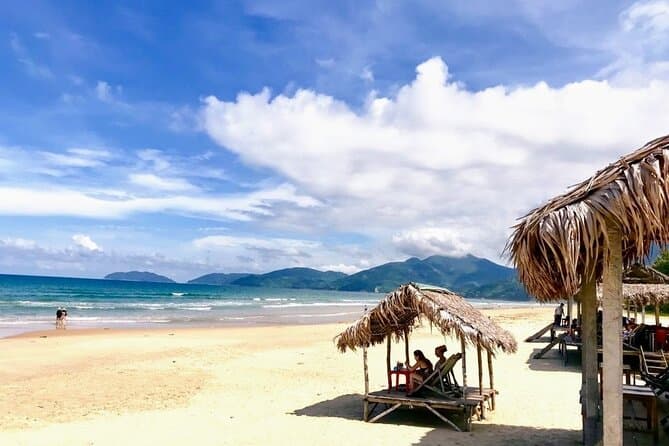
Lang Co beach is a part of Lang Co bay - one of the most beautiful bays on the face of the earth. It's a place that combines mountains, rivers, seas, and lagoons. At present, it still remains on top of the wish list of many travelers.
Lang Co beach is perfect place for lunch with really nice view and fresh seafood Read moreMore about Lang Co Beach
4
Hai Van Pass
Dừng lại: 60 minutes

Hai Van pass is an outstanding landscape on the north-south national route. It looks like a huge dragon and is located on Highway 1 between Thua Thien - Hue province and Danang City. This is Vietnam's highest pass (500 meters above sea level). This rugged pass marks the end of the Truong Son Range, which stretches all the way to the sea.
The poetic name of the Hai Van mountain pass is based on the idea of the mist rising from the East Sea and clinging to the mountaintops.Read moreMore about Hai Van Pass
5
Hai Van Pass
Dừng lại: 60 minutes

There are still traces of a gate at the top of Hai Van pass which is Hai Van Quan. This site attracts a large number of domestic and foreign tourists since it is located in the heart of two major tourist destinations - Thua Thien Hue and Da Nang - and is surrounded by exquisite landscapes. The Ministry of Culture, Sports, and Tourism designated the Hai Van Quan border gate as a national monument in 2017.Read moreMore about Hai Van Pass
6
Hai Van Pass
Dừng lại: 60 minutes

When you ride from the top down to Da Nang city, one of the roads that many young people love is the Hai Van pass. The route is risky, with several curves hugging the mountainside. Standing on this pass and looking out into the horizon, you will see that on one side is a majestic mountain, on the other is a vast blue sea, both of which create a spectacular natural panorama that will undoubtedly astound every traveler.Read moreMore about Hai Van Pass
7
Hai Van Pass
Dừng lại: 60 minutes

Hai Van pass Vietnam is recognized as one of the world's top ten most beautiful coastal roads. This pass is not only connected with numerous historical events, but it is also a wonderful place for many travelers due to its spectacular and artistic beauty that captivates everyone’s heart. The perilous death curve, together with zigzag roads, will create a challenging trek for backpackers and bring incredibly unique experiences.Read moreMore about Hai Van Pass
8
Dragon Bridge
Dừng lại: 30 minutes

Dragon Bridge in center of Da Nang cityRead moreMore about Dragon Bridge
9
The Marble Mountains
Dừng lại: 60 minutes

Marble Mountains Danang is a group of five limestone mountains in Vietnam. This destination is not only a tourist attraction but also a Buddha worship site.
Marble Mountains is a natural masterpiece bestowed to the land of Da Nang. With the harmonious beauty of the ecological area and the spiritual and cultural life, this destination attracts a lot of visitors.
According to Cham legend, one day a dragon flew to Non Nuoc beach and laid an egg there. After a long time, the egg hatched and a beautiful girl stepped out of the egg. The egg shell was broken into 5 pieces that became the five magical mountains as we see today.
In 1825, emperor Minh Mang named this mountain complex Marble Mountains, which means “Ngu Hanh Son” in Vietnamese. Each mountain was named after one of the five elements of Eastern philosophy: metal, water, fire, wood and earth. These names remain unchanged until now, and Marble Mountains have become a natural attraction with many majestic peaks, caves and temples.Read moreMore about The Marble Mountains
Điều này kết thúc chuyến tham quan.
Bạn có thể tự do khám phá theo tốc độ của riêng mình từ đây.
Cuộc phiêu lưu sử thi trên toàn cầu
Trải nghiệm phổ biến