Tổng quan
Gặp chủ nhà của bạn
Hành trình
Private Walking Tour of Hue Imperial City
4.5 (0)
Private Walking Tour of Hue Imperial City
4.5 (0)
Thời lượng hoạt động (3 hours)
Moderate
Được lưu trữ ở English
Không hoàn tiền nếu hủy
Đặt ngay và thanh toán sau, Đảm bảo vị trí của bạn trong khi vẫn linh hoạt.
Bạn sẽ làm gì
Embark on a Private Walking Tour of Hue Imperial City and Uncover the Hidden Treasures and Ancient Ruins
Điểm nổi bật của chuyến tham quan
Embark on a stress-free adventure with your family to the Imperial City of Hue! Our Private Family Tour offers complete privacy and flexibility, giving you the freedom to explore at your own pace. With a knowledgeable guide leading the way, you'll learn about the emperors and their lifestyles through fascinating stories and legends.
- Take breaks for rest and refreshments, and customize the tour with activities your kids will love.
- Choose your start time and explore the areas that interest you most.
- Our hassle-free pickup and drop-off services will transport you directly from the hotel.
Book now and create cherished memories that will last a lifetime with our Private Walking Tour of Hue Imperial City.
Bao gồm những gì?
- An certified English/Frenchspeaking tour guide
- Hasslefree pickup and drop-off by taxi from your hotel in Hue center
- Bottle water
Những gì không được bao gồm?
- Entrance fee (adult: 200,000 VND and child from 5 12 years old: 50,000 VND)
- Tips for tour guide
- Entry/Admission The Noon Gate (Cua Ngo Mon)
- Entry/Admission Thai Hoa Palace
- Entry/Admission The Mieu Temple
- Entry/Admission Hue Royal Palace
- Entry/Admission Duyet Thi Duong Theater
Thông tin bổ sung
- Confirmation will be received at time of booking
- Most travelers can participate
- This is a private tour/activity. Only your group will participate
Gặp chủ nhà của bạn

Mekong Delta Road Trip
Máy chủ đã được xác minh
Lưu trữ kể từ 2024
Hành trình
Không bao gồm bữa ăn vào ngày này.
Không bao gồm chỗ ở vào ngày này.
Đây là điểm khởi đầu
Nine Holy Cannons
1
Nine Holy Cannons
Dừng lại: 15 minutes
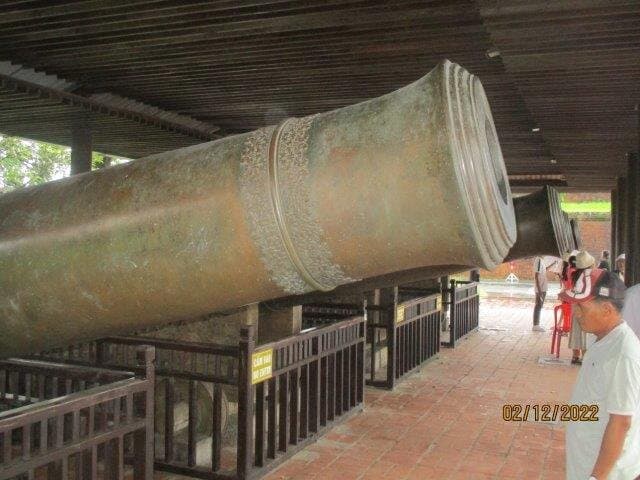
The Nine Holy Cannons at Hue Imperial Citadel are a set of massive bronze cannons symbolizing the strength and unity of the Nguyen Dynasty. Cast in 1803, these intricately decorated cannons are considered spiritual treasures and are displayed as historical artifacts, not weapons.Read moreMore about Nine Holy Cannons
2
The Noon Gate (Cua Ngo Mon)
Dừng lại: 30 minutes

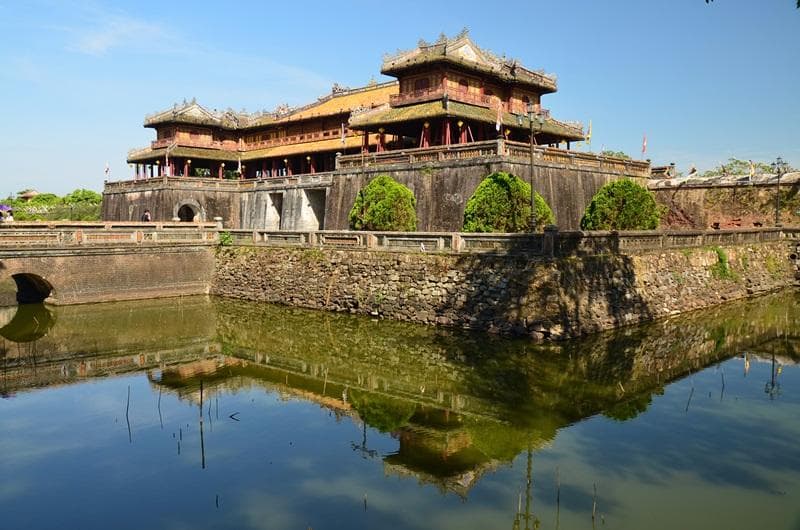
The Ngo Mon Gate, also known as the Noon Gate, is the majestic main entrance to the Hue Imperial Citadel and a symbol of Nguyen Dynasty architecture. Built in 1833, the gate features five entrances, with the central passage reserved exclusively for the Emperor. Its upper pavilion, known as "Lau Ngu Phung" (Pavilion of Five Phoenixes), served as a platform for royal ceremonies and public addresses.Read moreMore about The Noon Gate (Cua Ngo Mon)
3
Thai Hoa Palace
Dừng lại: 30 minutes

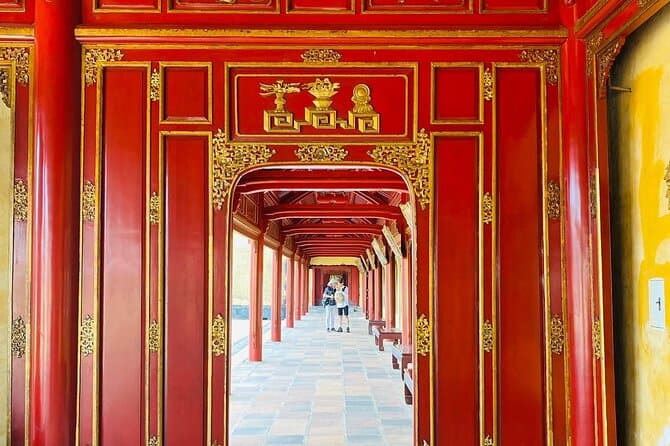
The Thai Hoa Palace in the Hue Imperial Citadel is a masterpiece of Nguyen Dynasty architecture, symbolizing royal power and harmony. Built in 1805, it served as the ceremonial hall for important events like coronations and royal meetings. Its ornate interior, featuring intricate wooden carvings and golden lacquer, reflects the grandeur of imperial Vietnam.Read moreMore about Thai Hoa Palace
4
The Mieu Temple
Dừng lại: 30 minutes
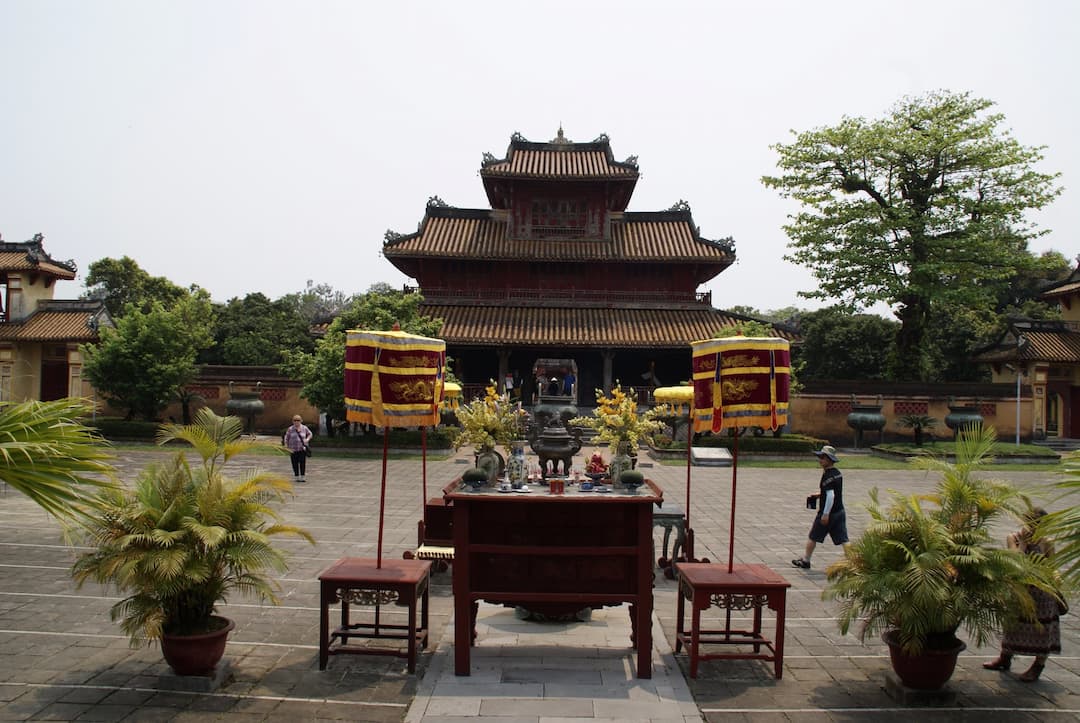
The The To Mieu Temple in the Hue Imperial Citadel is a sacred site dedicated to the worship of the Nguyen Dynasty emperors. Built in 1821 during the reign of Emperor Minh Mang, the temple features a harmonious layout with nine urns representing the dynasty's strength and continuity. Its serene atmosphere and historical significance make it a profound reminder of Vietnam's imperial heritage.Read moreMore about The Mieu Temple
5
Hue Royal Palace
Dừng lại: 20 minutes
The Kien Trung Palace in the Hue Imperial Citadel was a blend of traditional Vietnamese and French colonial architecture, reflecting the cultural exchange during the Nguyen Dynasty. Originally built in 1921, it served as a residence for Emperor Khai Dinh and later Emperor Bao Dai, Vietnam’s last emperor. Although heavily damaged during wartime, restoration efforts aim to revive its historical and architectural significance.Read moreMore about Hue Royal Palace
6
Duyet Thi Duong Theater
Dừng lại: 20 minutes
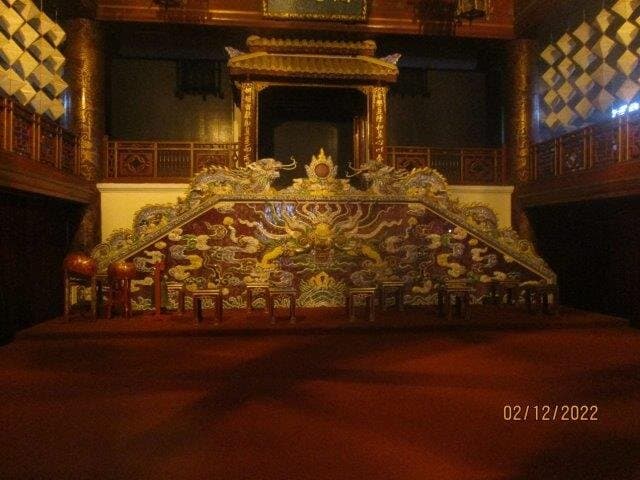
The Hue Royal Theater (Duyet Thi Duong) is the oldest surviving traditional theater in Vietnam, located within the Hue Imperial Citadel. Built in 1826 under Emperor Minh Mang, it was a venue for royal performances, showcasing classical Vietnamese court music and drama. Read moreMore about Duyet Thi Duong Theater
Điều này kết thúc chuyến tham quan.
Bạn có thể tự do khám phá theo tốc độ của riêng mình từ đây.
Cuộc phiêu lưu sử thi trên toàn cầu
Trải nghiệm phổ biến