Overview
Meet your host
Itinerary
Bangkok China Town ,a Bangkok historic neighbourhood
4.2 (0)
Bangkok China Town ,a Bangkok historic neighbourhood
4.2 (0)
Activity Duration (3 hours)
Extreme
Hosted in German, English
No refund if cancelled
Reserve now & pay later, Secure your spot while staying flexible.
What you'll do
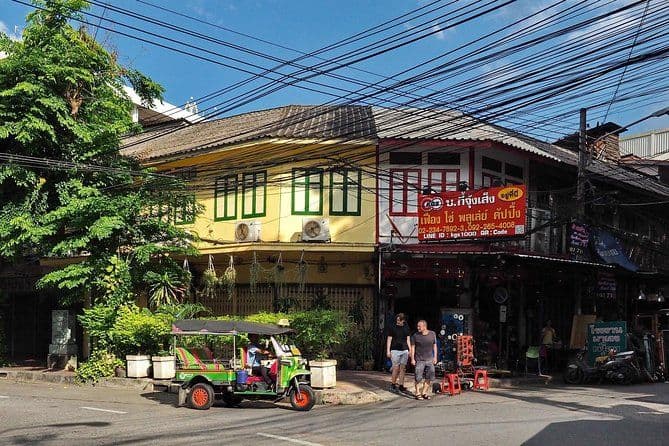
Bangkok's Chinatown is a historic neighborhood in Bangkok.
Tour Highlight
You'll gain knowledge about the entire history of Talat Noi. A long history predating the founding of Bangkok. The first ethnic group to settle here were the Portuguese from Ayutthaya. They built a Portuguese church in 1786, which is now known as the Holy Rosary Church or, in Thai, Wat Kalawa. Later, other ethnic groups came to live in Talat Noi, not only Chinese but also Vietnamese and Khmer. The area was Bangkok's first port, and was where immigrants landed.
What is included?
- All Fees and Taxes
- Travel insurance
- Entry/Admission Kuan Yim Shrine (Thian Fa Foundation)
- Entry/Admission Talad Noi Wall Art
- Entry/Admission Talad Noi Wall Art
- Entry/Admission Holy Rosary Church
What is not included?
- Not wheelchair accessible
- Near public transportation
Meet your host

JTB Travel
Verified host
Host since 2021
Itinerary
No meal included on this day.
No accommodation included on this day.
Here is the starting point
Kuan Yim Shrine (Thian Fa Foundation)
1
Kuan Yim Shrine (Thian Fa Foundation)
Stop: 30 minutes
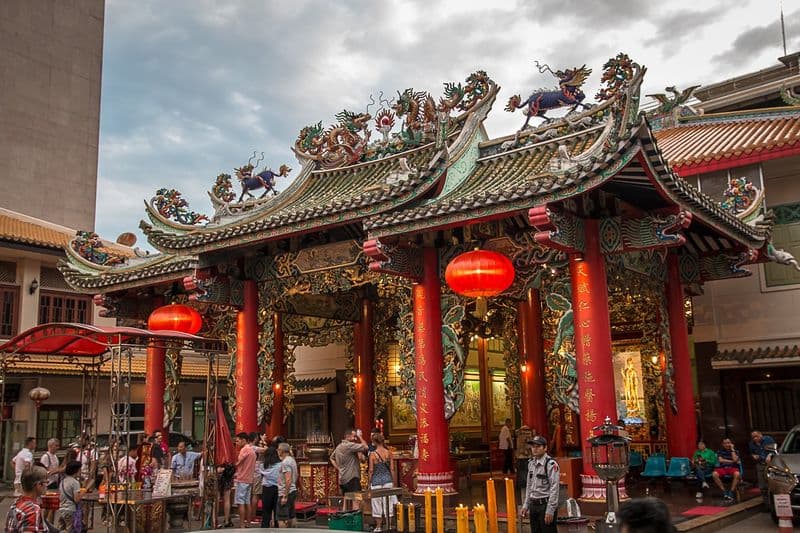
One of the most colorful attractions in Chinatown’s. Guan Yin is the Chinese Goddess of Mercy, and her 900-year-old statue stands on the altar inside the shrine. Thousands of locals come to pray here.
2
Talad Noi Wall Art
Stop: 20 minutes
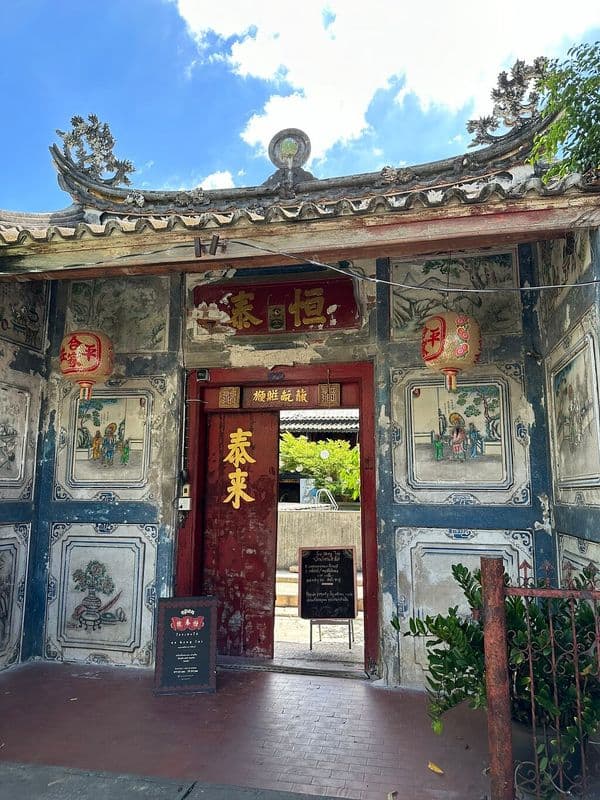
Earsae Coffee, 94 Years Old Coffee Shop
3
Talad Noi Wall Art
Stop: 60 minutes
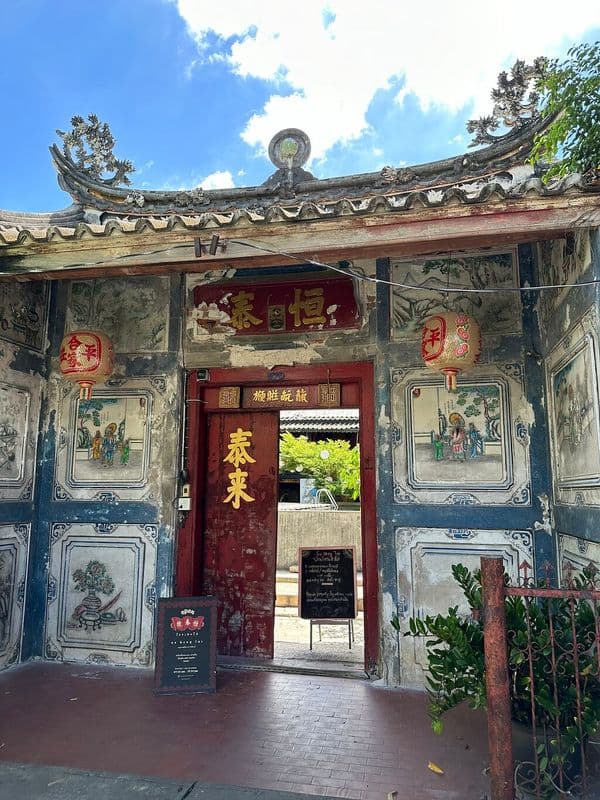
Today, Talat Noi is a cultural attraction. Locals retain their form of speech, food, and folk beliefs as in the past. Houses and lanes are lathered with graffiti that makes the place popular with teenagers, hipsters, and foreign tourists who want to experience a traditional Chinese quarter.
4
Holy Rosary Church
Stop: 30 minutes
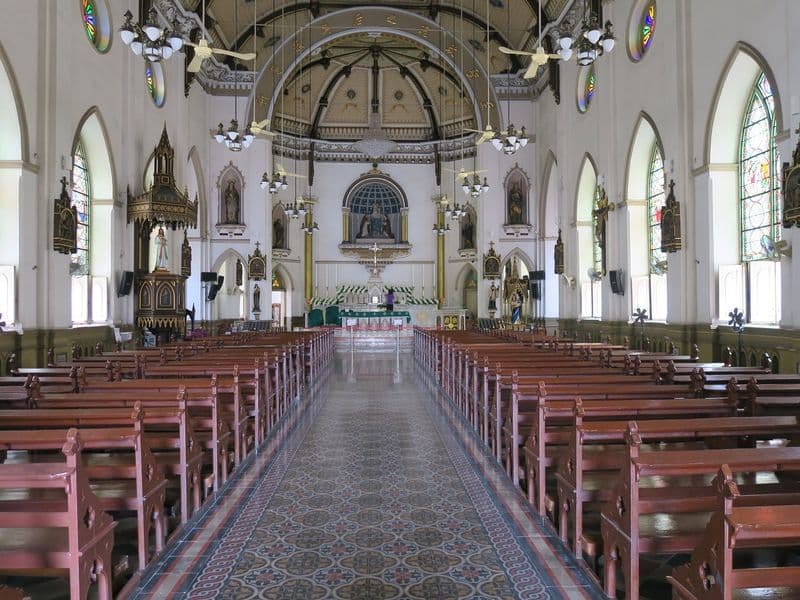
The Holy Rosary Church or Kalawar Church from Portugueseis a Roman Catholic church in Bangkok. It is located in Samphanthawong District, on the eastern bank of the Chao Phraya River. The history of the church dates to 1769, when a group of Portuguese Catholics resettled in the area after the fall of Ayutthaya; the current church building, in Gothic Revival style, was built in 1891–97 on the site of two previous structures.
This concludes the tour.
You’re free to explore at your own pace from here.
Epic Adventures Across the Globe
Popular Experiences