Overview
Meet your host
Itinerary
Third Reich Berlin: Hitler and WWII Walking Tour
4.9 (0)
Third Reich Berlin: Hitler and WWII Walking Tour
4.9 (0)
Activity Duration (3 hours)
Light
Hosted in English
No refund if cancelled
Reserve now & pay later, Secure your spot while staying flexible.
What you'll do
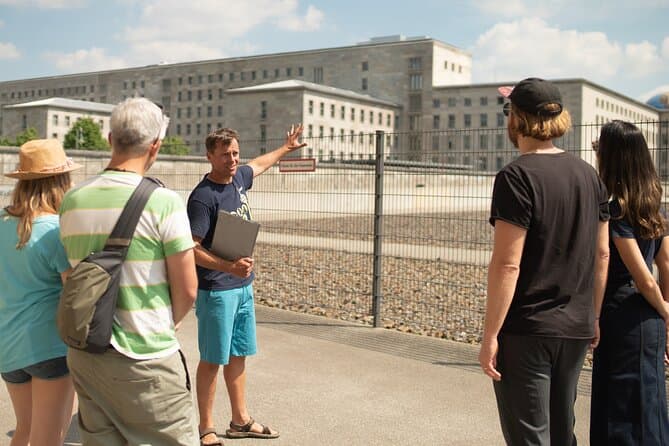
Explore the Third Reich in Berlin with this guided walking tour. Discover the history of Hitler and World War II as you walk through the streets of Berlin.
Tour Highlight
The surrender of the Nazis that ended World War II is still a point of interest for any visitor to Berlin. However, matching locations to these poignant moments of history can be a challenge. To gain a deeper understanding of Hitler's dramatic last days in Berlin, and to learn more about the daily life of those who lived under, and resisted, Nazi rule, it is recommended to forget the guidebook and hear from a guide about the significance of historical sites in the city.
What is included?
- Local Expert Guide
- 3hour walking tour
What is not included?
- Gratuities
- Hotel pickup and dropoff
Additional Information
- Confirmation will be received at time of booking
- Please arrive at the meeting point 15 minutes before the tour starting time
- Most travelers can participate
- This tour/activity will have a maximum of 29 travelers
Meet your host

Smiler Road Trip
Verified host
Host since 2024
Itinerary
No meal included on this day.
No accommodation included on this day.
Here is the starting point
Berlin Friedrichstraße Station
1
Berlin Friedrichstraße Station
Stop: 15 minutes
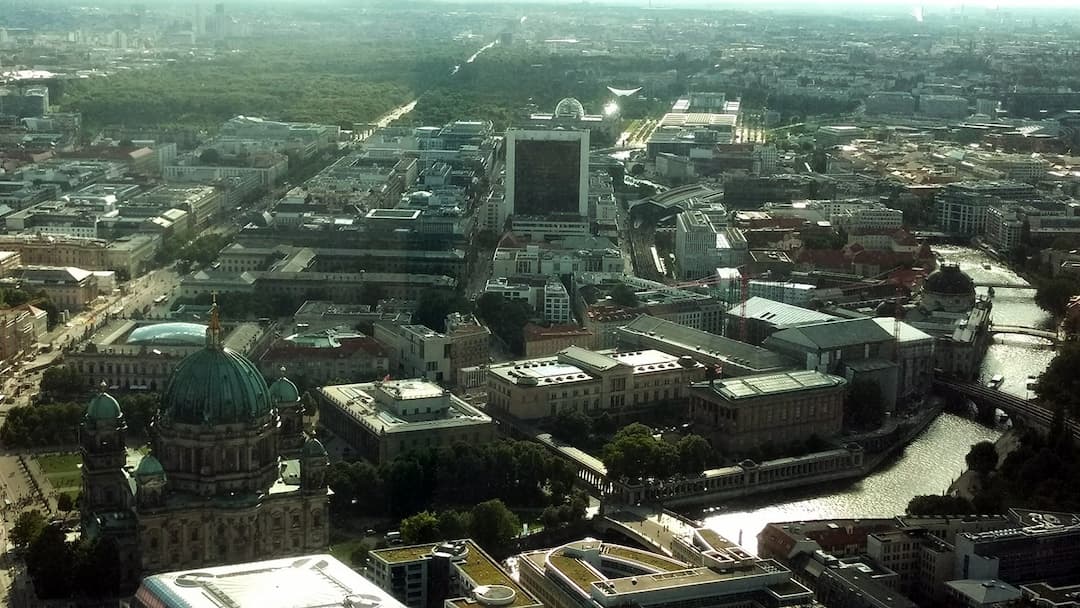
Begin your 3-hour Third Reich walking tour at Friedrichstrasse Train Station, where you’ll get an overview of the key historical sites you’ll explore. Visit the site of Hitler’s bunker, the Soviet War Memorial, and Wilhelmstrasse, where Nazi leaders planned their military conquests. Discover the Reichstag, where the 1933 fire helped dismantle democracy, and learn about the lives of Berliners during air raids and life under dictatorship. Explore Hermann Göring’s former Air Ministry, Goebbels’ propaganda HQ, and other significant Nazi sites, gaining insight into Berlin’s dark past and the resilience of its people.Read moreMore about Berlin Friedrichstraße Station
2
Trains To Life Trains To Death
Stop: 10 minutes
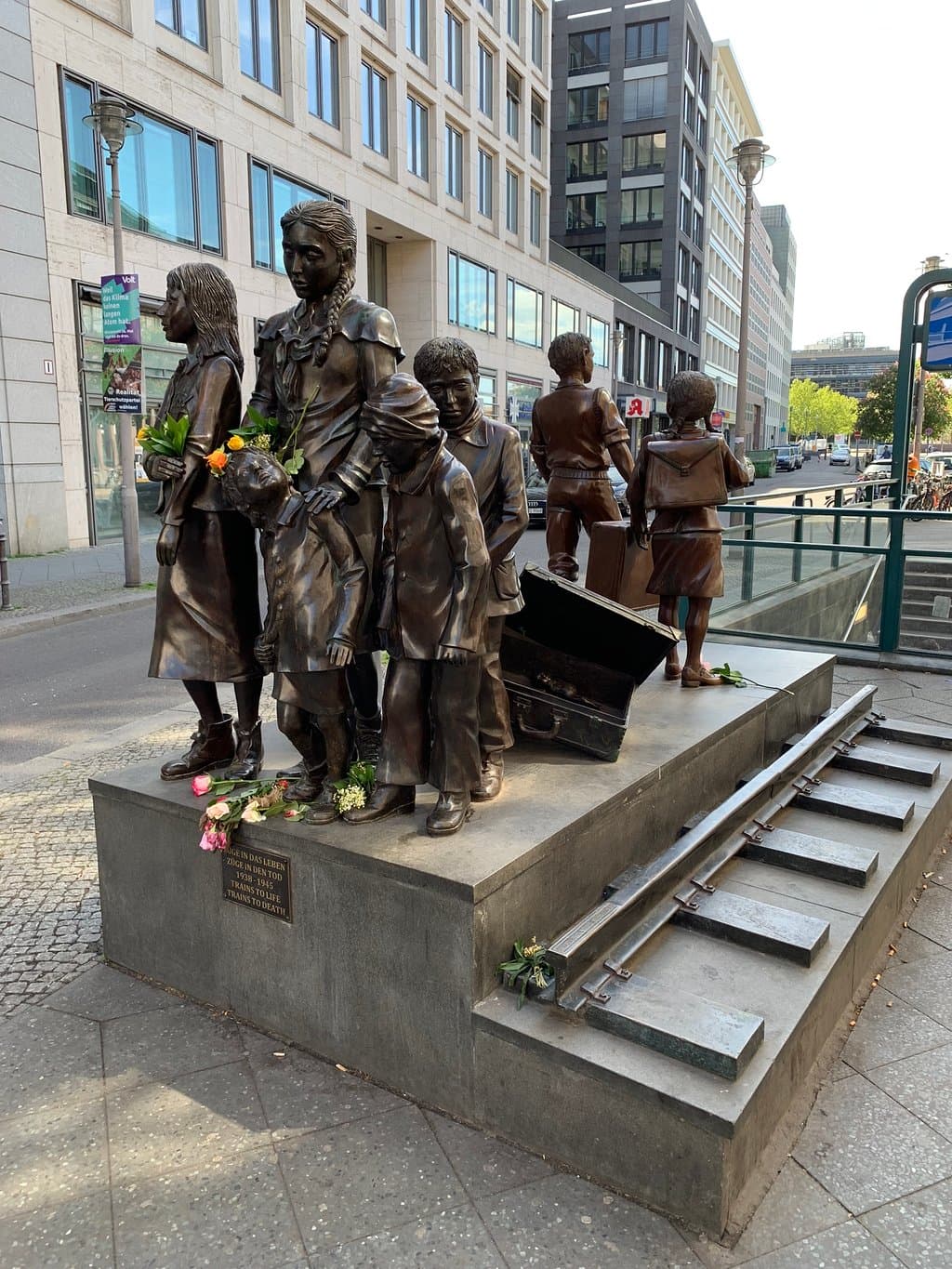
"Trains to Life, Trains to Death" is a powerful and moving memorial that tells the story of the deportation of Jews from Berlin to Nazi concentration camps during World War II. This poignant site honors the victims who were forcibly taken from their homes and sent on trains to their deaths, symbolizing the cruelty and inhumanity of the Nazi regime. The memorial is dedicated to remembering those who suffered and perished, serving as a reminder of the horrors of the Holocaust and the importance of preserving history to prevent such atrocities from ever happening again.Read moreMore about Trains To Life Trains To Death
3
Reichstag Building
Stop: 15 minutes
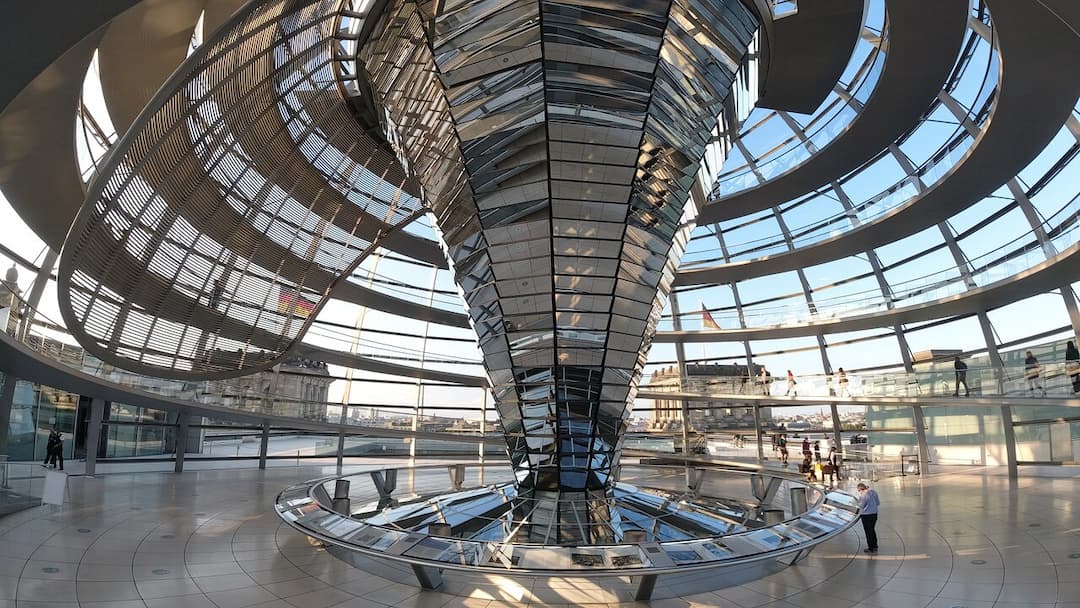
The Reichstag building is a key symbol of Berlin’s turbulent history. In 1933, a fire ravaged the Reichstag, and the Nazis used it as a pretext to consolidate power, suspending civil liberties and paving the way for their dictatorship. This event played a crucial role in dismantling Germany’s democracy. In 1945, during the final days of World War II, the Soviet flag was raised over the Reichstag after the intense Battle of Berlin, marking the symbolic fall of Nazi Germany. The building now stands as a testament to both the rise and defeat of the Nazi regime and the resilience of those who fought against it.Read moreMore about Reichstag Building
4
Soviet Memorial Tiergarten
Stop: 15 minutes

The Soviet War Memorial in Tiergarten is a striking tribute to the Soviet soldiers who fought and died in the Battle of Berlin in 1945. Located in the heart of Berlin, it commemorates the sacrifices made by the Red Army in the final stages of World War II. The memorial features a large statue of a Soviet soldier holding a flag, standing over two fallen Nazi soldiers, symbolizing the defeat of Nazism. Surrounded by a solemn, military cemetery, the site is a powerful reminder of the human cost of war and the pivotal role the Soviet Union played in the Allied victory over Nazi Germany.Read moreMore about Soviet Memorial Tiergarten
5
Brandenburg Gate
Stop: 10 minutes

The Brandenburg Gate, one of Berlin's most iconic landmarks, played a significant role during the Nazi era. After Hitler's rise to power, the gate became a symbol of Nazi propaganda, representing the regime's authority and militaristic ideals. The Nazis often used it for rallies and as a backdrop for their grandiose displays of power. During the Third Reich, the gate was adorned with swastikas and was a key site for the regime’s public events.
Today, the Brandenburg Gate stands as a symbol of Germany’s reunification, yet its Nazi-era history remains an important reminder of the dark chapter in Berlin’s past.Read moreMore about Brandenburg Gate
6
Akademie der Künste
Stop: 10 minutes
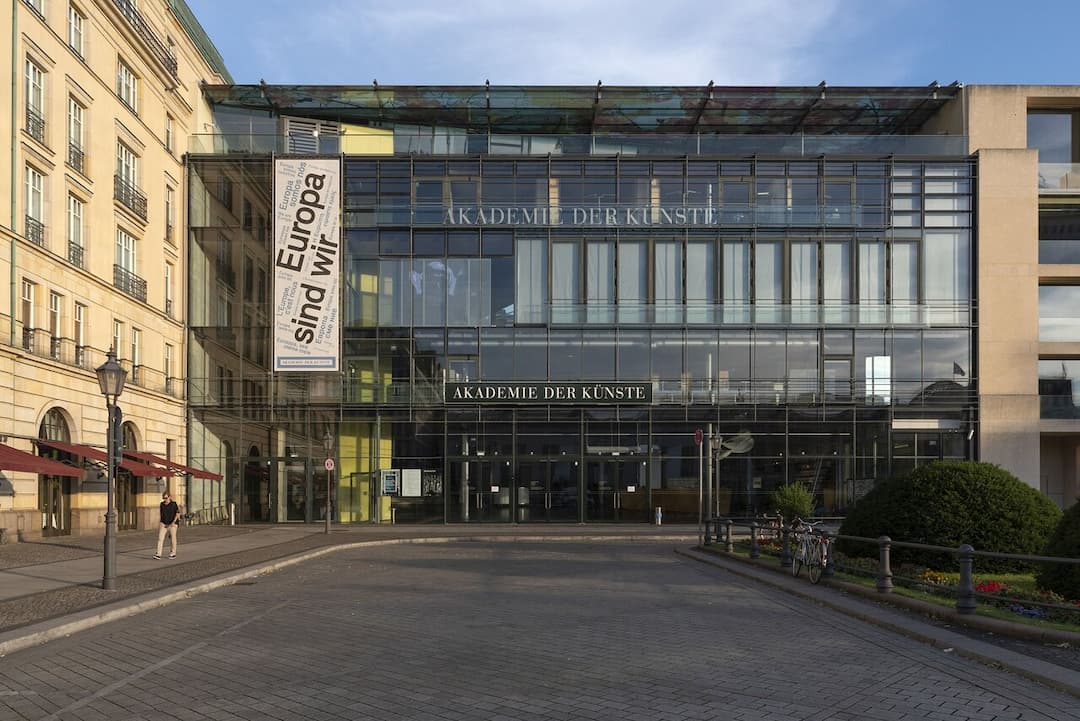
The Akademie der Künste (Academy of Arts) in Berlin was closely tied to the Nazi regime, particularly through the influence of Albert Speer, Hitler's chief architect and Minister of Armaments. Speer played a key role in shaping the architectural vision of the Third Reich, promoting monumental, neoclassical designs that reflected Nazi ideals of power and authority. Though not directly involved with the Akademie, Speer's architectural influence extended to many of the regime's projects, including those associated with the Academy.
After the war, the Akademie underwent a reckoning with its Nazi past, much like other institutions in Berlin, grappling with the legacy of Speer’s influence and the broader complicity of the arts in supporting Nazi propaganda. Today, the Akademie stands as a place for contemporary arts, but its historical ties to the Nazi period are part of the broader discussion on Berlin’s complex past.Read moreMore about Akademie der Künste
7
The Holocaust Memorial - Memorial to the Murdered Jews of Europe
Stop: 10 minutes

Is a poignant and solemn tribute to the victims of the Holocaust. It consists of a field of 2,711 concrete slabs of varying heights, creating a powerful and disorienting effect as visitors navigate through the undulating pathways. The memorial serves as a somber reminder of the atrocities committed against the Jewish people and invites reflection on the impact of such historical tragedies.Read moreMore about The Holocaust Memorial - Memorial to the Murdered Jews of Europe
8
Führerbunker
Stop: 10 minutes

Stand above the location of where Hitler spent the last days of WW2, the site of Hitler's Bunkers, location of Hitler's old Reich Chancellory, which was built by Albert SpeerRead moreMore about Führerbunker
9
Wilhelmstrasse
Stop: 15 minutes
10
Niederkirchnerstraße
Stop: 10 minutes
11
Topography of Terror
Stop: 10 minutes
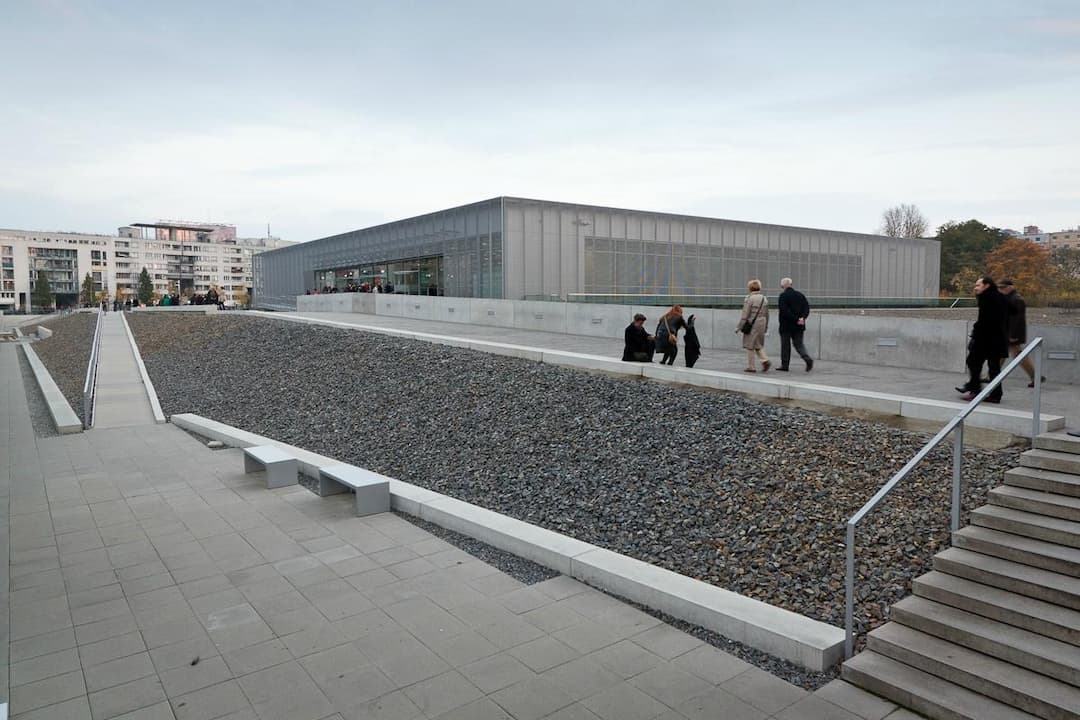
The Topography of Terror is a museum and memorial located on the site of the former SS and Gestapo headquarters in Berlin. It focuses on the role of these organizations in enforcing Nazi repression, persecution, and the Holocaust. The museum features exhibitions with photographs, documents, and accounts that highlight the brutality of the SS and Gestapo, showing how they implemented state-sponsored terror. Built on the original site, it serves as a stark reminder of the horrors of the Third Reich and educates visitors on the Nazi regime's violent legacy.Read moreMore about Topography of Terror
This concludes the tour.
You’re free to explore at your own pace from here.
Epic Adventures Across the Globe
Popular Experiences