


 Sailing Cruises (leisure)
 Airport & Hotel Transfers


 Private Sightseeing Tours
 Museum & Gallery Visits
 Culinary Tours
 Walking Tours
 Hidden Gems / Off-the-Beaten-Path Tours


 Short Tours/Experiences


 Ocean Cruises


The best time to visit Kuala Lumpur is generally between May and July or December and February when the weather is relatively dry. Since Malaysia has a tropical climate, you should expect humidity and occasional rain showers throughout the year. These peak months offer plenty of sunshine for exploring landmarks like the Petronas Twin Towers and Batu Caves. Visiting during the off-peak season can save you money on hotels, but be prepared for heavy afternoon downpours that are common in this vibrant Southeast Asian capital city.

Anytime

Best Nature Scenic Tour Tours in Kuala Lumpur – 2026
Malaysia is a diverse and vibrant travel destination where modern cities, tropical islands, and rich cultural traditions come together. From rainforest adventures and pristine beaches to dynamic food scenes and multicultural heritage, Malaysia offers memorable experiences for every traveler.
7 Tours in Kuala Lumpur
7 Tours in Kuala Lumpur
7 Tours in Kuala Lumpur
 Historical & Heritage Tours
 Volcano/Cave Exploration
 Cultural Neighborhood Tours
 Full-day Tours
 Nature & Scenic Tour
 Architecture & Landmark Visits
 Night Tours
 City Walking Tours
 Half-day Tours
 Rafting / White Water Activities
 Street Food Tours
7 Tours in Kuala Lumpur

Kuala Lumpur, Malaysia
Genting Highlands Escape with Kuala Lumpur City Highlights Day Tour (SIC-Shared/Join In Tour)
From US$45.00

Kuala Lumpur, Malaysia
Garden & Park Half Day Tour (SIC Tour – Shared/Join In Tour)
From US$47.50

Kuala Lumpur, Malaysia
Discovery Full Day Tour with Fireflies from Kuala Lumpur (SIC - Join In Tour)
From US$133.40

Kuala Lumpur, Malaysia
KL GRAND TOUR WITH 25 ATTRACTIONS (SIC - Join In Tour)
From US$21.50

Kuala Lumpur, Malaysia
Cameron Highlands Day Tour with Lunch (Guided Tour)
From US$83.40

Kuala Lumpur, Malaysia
Sunway Lagoon Theme Park Ticket and 1 Way Transfer (SIC – shared transfer)
From US$64.30

Kuala Lumpur, Malaysia
Genting Highlands Day Trip with Cable Car (SIC - Join In Tour)
From US$124.00
Discover the destination
About Kuala Lumpur
Malaysia is one of Southeast Asia’s most diverse travel destinations, known for its mix of modern urban life, natural beauty, and cultural richness. Located between Thailand and Indonesia, the country is shaped by a blend of Malay, Chinese, Indian, and indigenous influences, creating a unique identity reflected in its cities, cuisine, and traditions.
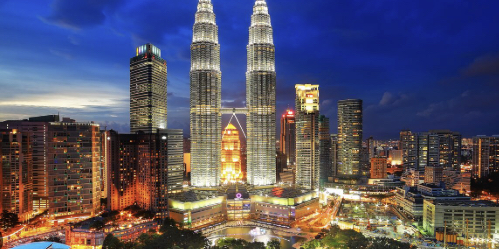
The capital, Kuala Lumpur, is a modern metropolis recognized for its skyline, highlighted by the iconic Petronas Twin Towers. The city offers excellent shopping, cultural landmarks, and vibrant street food, while historic areas such as George Town in Penang showcase colonial architecture and UNESCO-listed heritage. Malacca provides insight into Malaysia’s maritime history through its well-preserved old town and cultural sites.
Malaysia’s natural landscapes are equally impressive. Dense rainforests, national parks, and wildlife reserves offer opportunities for trekking, river cruises, and eco-tourism. The country’s coastline and islands, including Langkawi, Perhentian Islands, and Tioman Island, are known for crystal-clear waters, coral reefs, and relaxed beach escapes.
Food is a major highlight of traveling in Malaysia. The country is famous for its culinary diversity, with local dishes such as nasi lemak, char kway teow, laksa, and satay widely enjoyed at street stalls and hawker centers. Each region adds its own flavors and specialties to the national cuisine.
With excellent connectivity, affordable travel, and a wide range of experiences, Malaysia is an ideal destination for travelers seeking cultural diversity, tropical nature, and easygoing adventures in Southeast Asia.

What to Know Before Visiting Kuala Lumpur
Kuala Lumpur is considered a safe destination for international travelers with a low rate of violent crime. Like any major global city, you should remain vigilant against petty crimes such as snatch theft or pickpocketing in crowded areas like Bukit Bintang and Petaling Street. Use reputable ride-sharing apps like Grab instead of hailing street taxis to ensure fair pricing and safety. Most visitors enjoy a trouble-free stay by following basic travel precautions and respecting local customs while exploring the diverse neighborhoods of the Malaysian capital.
Navigating Kuala Lumpur is easy thanks to an extensive and affordable public transportation system. The city features a mix of LRT, MRT, and Monorail lines that connect major tourist hubs and shopping districts. For areas not covered by rail, the Grab mobile app is the most reliable way to book private cars at fixed prices. The GOKL City Bus also offers free rides on specific routes through the central business district. Walking is feasible in areas like KLCC, but the tropical heat and humidity often make air-conditioned trains the most comfortable choice.
While Kuala Lumpur is a modern city, it is important to dress respectfully because Malaysia is a Muslim-majority country. Lightweight and breathable clothing is essential due to the humid tropical climate. For general sightseeing, casual wear like t-shirts and jeans is perfectly fine. However, when visiting religious sites such as the National Mosque or Batu Caves, you must cover your shoulders and knees. Many temples provide sarongs for rent, but carrying a light scarf is a practical idea for travelers. Comfortable walking shoes are also a must for exploring.
Kuala Lumpur is one of the most budget-friendly capital cities in Southeast Asia. Travelers can find a wide range of accommodations from luxury five-star hotels to affordable hostels. Dining is particularly cheap if you eat at local hawker centers or street stalls where delicious meals cost only a few dollars. While alcohol and imported goods are heavily taxed and more expensive, public transport and entrance fees to most attractions remain very reasonable. Whether you are a backpacker or a luxury traveler, your money will generally go much further here than in Singapore.
English is widely spoken in Kuala Lumpur, making it an easy destination for international tourists to navigate. While Bahasa Malaysia is the official language, most locals in the service industry, including hotel staff, shop assistants, and taxi drivers, are fluent in English. You will find that street signs, menus, and public announcements are often provided in both Malay and English. This linguistic accessibility reduces travel stress and allows for meaningful interactions with the friendly local population while exploring the city's rich cultural heritage.
It is generally recommended that travelers avoid drinking tap water directly in Kuala Lumpur. While the water treatment plants meet international standards, the aging pipe infrastructure can sometimes lead to contamination before the water reaches your tap. Most locals boil their water before consumption or use filtration systems. For visitors, bottled water is cheap and readily available at every convenience store and supermarket. Most hotels also provide free bottled water daily. Using tap water for brushing your teeth is typically safe for most people visiting the city.
The best area to stay depends on your interests, but Bukit Bintang is the most popular choice for first-time visitors. This vibrant district is the heart of shopping, entertainment, and street food in Kuala Lumpur. If you prefer a more upscale environment with views of the Petronas Twin Towers, the KLCC area offers many luxury hotels. For a more historic feel, look for accommodations near Merdeka Square or Chinatown. Families often enjoy the KL Sentral area because it serves as the city's main transport hub, providing easy access to the airport and various regional trains.
Kuala Lumpur offers a diverse range of attractions that blend modernity with tradition. A visit to the iconic Petronas Twin Towers is essential for panoramic city views. Culture seekers should head to the colorful Batu Caves and the historic Sultan Abdul Samad Building. For shopping and food, the bustling streets of Bukit Bintang and the Central Market are top-tier destinations. Nature lovers can explore the KL Forest Eco Park or the Perdana Botanical Gardens. Ending your day with a visit to a rooftop bar provides a stunning perspective of the illuminated city skyline.
Kuala Lumpur is an excellent destination for families traveling with children. The city is home to numerous kid-centric attractions such as Aquaria KLCC, the Petrosains Discovery Centre, and the massive Berjaya Times Square Theme Park. Many parks, including the playground at KLCC Park, offer free outdoor fun with great views. Shopping malls are equipped with modern nursing rooms and family facilities, making outings convenient. The local culture is very welcoming toward children, and most restaurants provide high chairs and menu options that cater to younger palettes.